>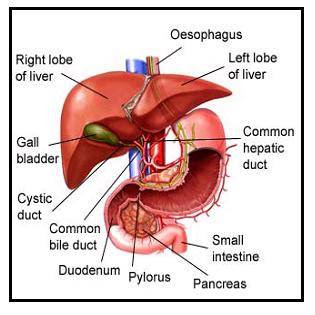
This organ plays a major role in metabolism and has a number of functions in the body, including glycogen storage, decomposition of red blood cells, plasma protein synthesis, hormone production, and detoxification. It lies below the diaphragm in the thoracic area and region of the abdomen. It fabricates and produces bile, an alkaline compound which aids in digestion, via the emulsification of lipids. It also performs and regulates a wide variety of high-volume biochemical reactions requiring highly specialized tissues, including the synthesis and breakdown of small and complex molecules, many of which are necessary for normal vital functions.
Maintain a healthy liver:
It is important to maintain a healthy liver, because serious complications can arise if you develop problems. Certain problems with the liver cannot be prevented, such as those that are caused by inheritance. However, you can take action to prevent other types of liver problems.
Generally the whole lot and everything you eat, drink, and breathe eventually passes through your body and reaches your liver, even things that are absorbed into your skin. The liver is responsible for controlling your metabolism; this is the process in which your liver breaks down nutrients into energy. The energy is then distributed and delivered to the rest of your body through the bloodstream. It is also the function of the liver to break down toxins into byproducts that are eliminated from the body.
Factors that affect liver:
Alcohol abuse affects our health and our body in a variety of ways. Several keys organs and internal functions can be irreparably damaged because of heavy drinking over an extended period of time. Chief among those areas at risk is the liver – one of our body’s most crucial organs. Once the liver is damaged by alcohol, a number of serious health problems can ensue – many of which eventually lead to death. It is vital and important that young people be made aware of the risks to their liver than originate from alcohol abuse.
What happens if the liver fails because of excessive alcohol consumption? The results can be fatal. The liver is a crucial part of our how our body functions. It is responsible for so many vital operations that we cannot live without it. The liver is:
Not only grown-up and older people are candidates for cirrhosis of the liver. Young men just out of their teens (who have already been drinking for years) have practiced and experienced liver failure brought on by cirrhosis of the liver.
Read more on cirrhosis treatment and liver care remedies
Thursday, November 10, 2011
Maintain a Healthy Liver
Friday, November 4, 2011
Liver, Functions of liver
>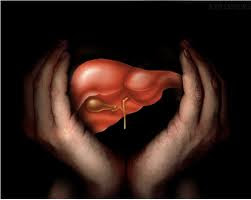 The liver is a body of digestive. Plays an important role in metabolism, synthesis protein of plasma and drug detoxification. This body is gland largest in the human body and is below the diaphragm, in the hypochondria right. Synthesizes bile greenish liquid important for digestion. Performs and regulates a broad variety of biochemical reactions requiring very specialized tissues. The terms Medical related to the liver often start in hepato -or hepatic.
The adult human liver in non- pathological conditions between 1.7 and 3 weight kg. It is the second largest organ - the organ is the largest skin- and the largest gland in the human body.
Located to the right of the abdomen, below the diaphragm. It is to the right of the stomach and it rests on the gallbladder, Responsible for storing bile.
The liver is one of the few internal human organs capable of regenerating lost tissue naturally: with 25% of the liver can regenerate a whole liver again.
Traditionally, the liver was divided into four lobes based on the characteristics superficial. The sickle ligament divides the liver into two lobes anatomical: the right lobe and left lobe.
Also have two additional lobes between the right and left. These are the caudate lobes more than the lobe and square.
The functions of the liver:
* The liver produces and excretes bile required for the emulsion of fat. Part of the bile drains directly into the duodenum, and another part are stored in the gallbladder.
* The liver plays an important role in the metabolism of carbohydrates:
* The liver is responsible for the major metabolic pathways of proteins.
* Also performs several roles in metabolism lipid:
* The liver and analyzes the most toxic substances drugs.
* Converts ammonia in urea.
* Stores multiple substances:
o Glycogen.
o Vitamin B12.
o Iron.
o Copper.
* In the first half of fetus the liver is the largest producer of erythrocytes. Towards the 32nd week of gestation, the Bone marrow has taken almost complete this task.
Currently, there is no artificial organ or device capable of emulating all the functions of the liver. Some functions can be emulated through dialysis liver, an experimental treatment for people who have no liver.
Diseases
Many diseases of the liver were accompanied by jaundice caused by increased levels of bilirubin circulating. The bilirubin results from the disintegration of the hemoglobin of dead red blood cells. Normally, the liver removes bilirubin from the blood and excreted through the bile.
* Hepatitis. Inflammation of the liver caused by various viruses or hereditary or immunological causes.
* Cirrhosis. Formation of fibrous tissue in the liver, instead of dead hepatocytes. The cause of death is usually the Alcoholism or contact with other chemicals viral liver.
* Haemochromatosis. Inherited disease that causes the accumulation of iron in the body, which damages the liver.
* Cancer liver
* Wilson's Disease. Inherited disease that causes retention copper.
Read more on liver cirrhosis treatment and liver care remedies and liver cirrhosis
Sunday, October 30, 2011
Maintain Liver Health
>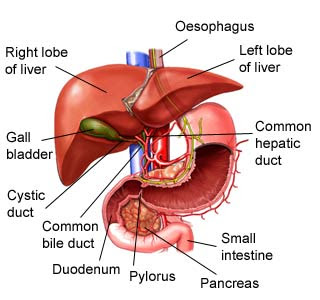 Functions are bad liver can lead to obesity, cardiovascular disease, chronic fatigue, headaches, digestive problems, allergies and other sufferings. Even if the immune system protects our bodies from many dangers, the liver is one that protects and boost immune system.
The liver is responsible for excess weight but many people struggle throughout their lives with excess weight due to a slower metabolism. After years of severe diets they conclude that there is no cure for their disease. The often very wrong liver, which is the most important organ in metabolism, is a key to the whole problem. Overweight is a symptom of a disorder of the liver and has little to do with the number of calories gained.
The liver is the main organ of the body which is meant for burning fat. Following a diet of cleaning the liver metabolism will improve rapidly and the fat will be burned. Conversely, if you continue to eat alimented wrong, liver will produce more fat to be stored.
Burning fat can be no starvation, in a large measure this is not how we eat, but what eat is very important.
Following a cure for cleaning the liver, it can burn fat and it takes its role in metabolism. Then, the process of weight loss is natural, easy and to assume a particular effort on your part. You will not have to count calories and get hungry.
Symptoms of a liver suffering:
- Poor digestion, flatulence, nausea especially after fatty food is consumed, deposits of fat around the abdomen and constipation. If you wake up this morning with a bad taste in your mouth or coated tongue, it is clear that your liver needs help.
- Moodiness, depression, poor concentration and memory power. If the liver is lazy, a large amount of toxins find their way to the bloodstream and can affect the brain.
- Manifestations of an allergy: fever, hives, eczema and asthma.
- Migraine. Unfortunately headaches counter medicines can affect the liver, because it must process all medicines.
- High blood pressure and fluid retention. They can be quite difficult to control with drugs.
- Hypoglycemia or unstable levels of sugar in the blood. A sick liver can cause variations in blood sugar levels, leading thus to fatigue, dizziness and the need to eat sweets.
- Intolerance to fatty foods and gall bladder disease. If you fed more saturated fat, the liver will try to eliminate from the body through the ball and then through the small intestine. If the liver is not functioning properly it will produce more bile salts which, finally, can accumulate as stones.
- Chronic fatigue syndrome. The cause of this state can be sought in the high consumption of saturated fats and low in fruit and vegetable diet.
- Excessive heat of the body may be associated with sweating
- Intolerance to alcohol and certain medications, such as antibiotics.
Friday, October 28, 2011
Liver Care and Body Detoxification
> The liver is a vital organ present in vertebrates; it has an extensive range of functions, including detoxification, protein synthesis, and production of biochemical necessary for digestion. The liver is essential and necessary for survival; there is currently no way to compensate for the absence of liver function.
This organ plays a major role in metabolism and has a number of functions in the body, including glycogen storage, decomposition of red blood cells, plasma protein synthesis, hormone production, and detoxification.
Scientific research has shown that pollution in our environment enters the bloodstream via the food we eat, the water we drink and air we breathe. When pollution enters the blood stream, this means that toxins accumulate in the body and the delicate natural balance in organs such as the liver (the natural filtration system of the body) can be affected.
Environmental pollution, fast foods with artificial preservatives, drugs, alcohol, sedentary lifestyles - all these are factors that influence to feel sluggish and unmotivated during the day!
To start feeling fresh and new, there are natural remedies to promote the ability in us to eliminate toxins naturally with detoxification and cleansing of the body!
A natural way:
To support the detoxification and body cleansing is a good idea to start drinking lots of water (8 glasses a day) to help flush out and hydrate your system and to promote water balance in the body.
Eating fruits and vegetables and the daily recommendation of fiber will also help in natural detoxification and naturally regulate your system.
Never forget the power that gives us the exercise! Having a good workout will promote sweating - another great way to promote cleansing and detoxifying the body!
Natural and homeopathic remedies have been used in complementary and alternative medicine to assist the body's natural detoxification, getting rid of waste and toxins and thus clearing the bodies.
There are now various published clinical studies demonstrating the ability of a range of herbs to support natural detoxification at home with routine rinsing of the stomach and digestive system. This promotes the elimination of toxins through the liver. Recent studies have also shown the effectiveness of natural substances to help the body remain regular and help the body's ability to get rid of toxic waste.
Herbs that help in our body's natural detoxification:
Many herbal medicines contain bitter principles that have a stimulating effect on liver and digestive system. It is also a rich source of vitamins and minerals, including vitamins A, D, C, and B and iron, silicon, magnesium, zinc and manganese. Enhances the performance of the liver and gallbladder and can help maintain healthy blood pressure because of its diuretic properties.
Herbs which have natural diuretic properties promote a healthy liver, kidney and spleen and are useful to reduce discomfort caused by stomach acids. More recently, Himalaya Liv.52 has shown to help Liver Care, detoxification, treats cirrhosis, hepatitis, relieve colic and disorders of the stomach.
Read more on cirrhosis treatment and liver care remedies
Thursday, October 27, 2011
Maintain liver health-1
>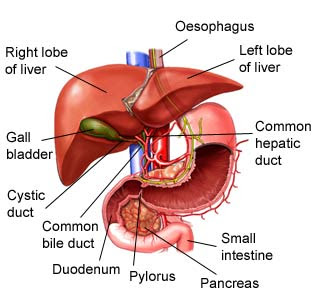 The liver is the main organ of the body which is meant for burning fat. Following a diet of cleaning the liver metabolism will improve rapidly and the fat will be burned. Conversely, if you continue to eat alimented wrong, liver will produce more fat to be stored.
Ways to improve liver functioning:
Listen to your body: Do not eat if not hungry. Eat as many fruits, vegetables, fruit juices, salads and drink lots of water. Many people get used to eat at fixed hours, whether or not they are hungry. In this case the liver to work hard and will suffer.
Drink 8-12 cups of water daily: Water will help to clean the liver and reduce weight. It is good to drink water in small sips, and often against dehydration. Avoid drink fluids with meals.
Avoid excessive consumption of sugar: In particular, refined sugar will be converted by the liver in fat and cholesterol to be deposited on the abdomen, around the organs or lead to cardiovascular problems.
Avoid artificial sweeteners because they are toxic to the liver and cause hypoglycemia. If you feel the urge to eat sweets, better call the fresh or dried fruit and honey.
Number of calories: If you want to eat properly, enrich your diet with fruits and vegetables, and your liver will function better and thus you will see a weight loss. It was found that more people die annually due to excess food only because of malnutrition.
Ignore scales: Your target should be cleaning and rejuvenation of the whole body metabolism, not necessarily weight loss. Weakening will occur along with improving the functioning liver. Why will stress the length of Observing that appears to lose weight?
Avoid allergic foods: Always make sure you chew food slowly so that the digestion process begins with mixing saliva with food in your mouth.
Depending on the person's age, inappropriate production of stomach acid for digestion efficiency. This can recover if, before each meal, you drink a glass of water you have mixed a tablespoon of apple vinegar.
Hygiene Intestinal Care: The liver must filter out and destroy any bacteria or virus that is found in food, you should be cautious of everything eaten. There are many organisms which can harm the liver. To reduce this risk only eat fresh food, avoid food that has been reheated, bread and meat stored incorrectly.
Many packaged and processed foods are handled and contain preservatives. Once the food reaches the intestines, preservatives disappear and microbes begin to develop. Avoid especially canned meat.
Check that the growth of plant products that consumers have been using pesticides. Buy only products that contain natural ingredients and avoid foods that contain preservatives, colorings, artificial sweeteners and flavorings.
Stress affects the liver: Do not eat if you are stressed or angry because this time blood flow is directed from the intestines and liver to other parts of the body. Get your needed protein from various sources, including vegetables
Cleaning liver diet containing chicken, fish and eggs. The proteins can be obtained from vegetables, grains, nuts and seeds. The richest vegetable protein, fiber, fatty acids, vitamins and minerals are: soy, beans, chickpeas, and lentils.
Seeds of lentil, sunflower, sesame and pumpkin seeds are an excellent source of fatty acids, protein and fiber.
Walnuts are rich in unsaturated oils and should be consumed only fresh. If they were removed from the shell and exposed to air, their oil is rinsed. Buy nuts in the shell only.
Oil is found in many natural foods: fish, seeds, nuts, olives. Salad is better to use oils obtained by cold pressing, refined, stored in dark bottles. Keep oil in the refrigerator. Olive oil is also very good for the liver.
Avoid constipation: Eating more fruits and vegetables and bind much water you can avoid this difficulty. Avoiding constipation you will avoid harmful organism’s body growth and development.