> It's important to know that diabetes is a disease that causes the body does not produce the hormone insulin-substance needed to convert carbohydrates into energy-(type 1) or do not use or generate properly (type 2) . In other words, the disease in question prevents the entry of glucose into the cells due to deficiency or defects in the key that opens the door (insulin), which causes sugar levels in the blood rise and that cellular structures suffer from hunger.
Note that the absolute or relative lack of insulin is equal to diabetes, a condition that causes the following symptoms and complications:
1) Lack of energy in cells, leading to severe fatigue and increased appetite.
2) Elevation of blood glucose, a condition that results in the elimination of sugar through the kidneys, this is done by the body by excreting urine abundant. Therefore, patients tend to lose weight and feel thirsty.
3) Damage to eyes, kidneys, nerves or heart, which usually manifests itself in the long run, especially when the disease is not controlled properly.
Now in its relation to pregnancy is necessary to review two types of diabetes:
1) Pregestational. Is one that is diagnosed before pregnancy and is characterized by causing increased frequency of fetal malformations?
2) Gestational. It appears during pregnancy at a rate of 1% to 14% of patients may persist after birth and is associated with increased maternal disorders (hypertension or high blood pressure, vaginal infections and urinary tract, preterm and caesarean section) and severe damage to the baby (fetal death or overgrowth because it is exposed to more glucose than usual-this is because it stimulates your pancreas secretes insulin that helps to abundant increase its development-which can generate damage when passing through the birth canal).
Pregnancy is a metabolic stress on the body of the mother; the baby uses their bodies for food (energy), oxygen and eliminating waste. Therefore, the patient when pregnancy is most likely a deficiency of the key (insulin) that allows sugar to enter the cell, causing it to this or aggravate diabetes.
Moreover, no less important are the various controls in the early stages of pregnancy, which include:
1) Preconception. In any diabetic woman who wants to be a mother is essential to properly program their pregnancy to reduce the risk of maternal and fetal complications. Thus, the mother will have to be assessed by the endocrinologist or gynecologists and internal medicine specialists, indicating strict dietary and insulin. However, it advised against pregnancy in women with major problems in the kidneys, retinas, severe hypertension or poorly controlled disease.
2) Gestational. It deals with the control of the diabetic woman during pregnancy and childbirth, which can be achieved through diet and insulin (for the drugs that regulate blood glucose levels are contraindicated during pregnancy) and folate (vitamin B9). Those with this type of diabetes treated with diet alone initially, later adding insulin also this substance should be administered at birth.
3) Posgestacional. The patient will be monitored after birth by adjusting the treatment of diabetes, in which there is a need to lower the dose of insulin to inject with respect to which the woman had been administered in the second half of pregnancy. No problem, just the opposite, for which breastfeeding can be established without problems. Three months after delivery, it shall be the woman with gestational diabetes oral glucose tolerance test to check if the disease has been corrected or is permanent. Finally, we recommend to the diabetic patient temporary contraceptive method (oral contraceptives, barrier methods or intrauterine devices) or final (tubal ligation, vasectomy) that is considered most appropriate.
"The pregnancies with gestational diabetes after delivery tend to normalize blood sugar levels, but that fact suggests the possibility that the disease becomes evident with advancing age or repeated similar episode in future pregnancies. Therefore, it is essential that these women do everything possible to delay the presentation of diabetes in later life through diet and exercise regimes, therefore, six weeks after delivery is necessary to evaluate the glucose levels, and if the results are Normal reassess every three years,"says the specialist.
Finally it should be emphasized that women with diabetes who become pregnant is more likely that she and the fetus complications or die. Therefore, it is suggested that the patient in this situation take a very strict control and no reason to ignore the advice of your gynecologist and endocrinologist.
Read more on how to prevent pregnancy diabetes complications and remedies for diabetes treatment. And more about gestational diabetes treatment.
Saturday, October 8, 2011
Diabetes in Pregnancy
Monday, October 3, 2011
Physics Activity for Prevention of Diabetes Mellitus
>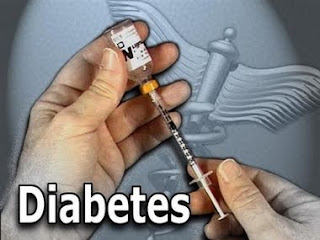 Diabetes mellitus is a condition of the human body when the body is not able to use glucose properly, leading to high levels in the blood. Common symptoms that occur in diabetic patients is increased thirst, increased diuresis, weight loss, skin infections and in some cases, dehydration and diabetic coma. There are two types of diabetes mellitus. The least prevalent type I or insulin, which usually occurs in young people and can be sudden and often life-threatening symptoms. In this type of diabetes requires lifelong dietary treatment and treatment with insulin. The most prevalent type II or non insulin dependent diabetes, occurs in people middle-aged, which tend to be overweight. Both types of diabetes have been associated with high risk of cardiovascular diseases, physical activity can play an important role in reducing this risk.
Physical Activity and Diabetes Mellitus Type I
Factors affecting the metabolic and hormonal response of a body type I diabetes in physical activity are:
1. Intensity and duration of exercise
2. The level of metabolic regulation before exercising
3. The type and dose of insulin taken before exercise
4. Time prior to the exercise of making insulin
5. The time of the previous exercise meal
The main regulator of the glycemic response is the availability of insulin in the blood.
Insulin levels in the blood of a diabetic type I, exercise is very important to normal levels. If insulin is high, then accelerated the depletion of glycogen reserves, suspended the production of glucose by the liver and suspended the use of fatty acids as a substrate for energy production. These are the effect of lowering blood glucose (hypoglycemia). If insulin is reduced, there is increased production of glucose by the liver and decreased glucose use by muscles. Thus, during intense physical activity can result hyperglycemia.
Nutritional Recommendations depending Intensity and Duration Exercise
The following recommendations concerning recruitment carbohydrate diabetics type 1 than intensity and exercise duration be held.
Long term complications one diabetic type I may include cardiovascular illnesses nephropathy and peripherally neuropathy. Risk complications these decreases configured natural activity scheduled diet configured dose insulin steady glucose blood without major frequent fluctuations.
Physics Activity and Diabetes Releases II
Physical activity plays an important role in the prevention of diabetes mellitus type II Even people suffering from diabetes mellitus type II may be exercised, thereby reducing the risk of other health complications associated with diabetes, especially cardiovascular diseases. The physical activities but should be done, it has been determined healthy cardiovascular and respiratory type II diabetics and after assent doctor. Persons who are under medication must be more carefully and inform about this, and may experience hypoglycemia during exercise. For this reason the medication should be adjusted depending on the physical activity of type II diabetic
As more people suffering from type II diabetes are overweight, it is necessary that these individuals be encouraged to lose weight and avoid if possible medication when blood glucose levels can be regulated through diet and physical activity.
Read more on remedies for diabetes and treatment of diabetes problem.