> Diabetes mellitus is a condition characterized by high levels of glucose or sugar levels.
In normal circumstances, the various foods used in the body with the help of insulin, which is necessary so that the cells get the energy they need. Insulin is a hormone produced by the pancreas. Diabetes mellitus caused by insufficient secretion of insulin from the pancreas or reduced effectiveness of insulin produced. In this condition, the sugar that the body gets from food remains in the blood does not enter the cells. For this reason, is in high concentrations in the blood.
The most common symptoms are:
• increased thirst
• fatigue
• intense hunger
• Weight Loss
• blurred vision
Types of diabetes:
• Diabetes mellitus type 1
• Diabetes mellitus type 2
• Gestational diabetes
• The latent autoimmune diabetes of adults
• The secondary diabetes, as a consequence of other diseases, and after taking certain medicines
The majority of diabetics are in one of two types:
a) Diabetes mellitus type 1, in which the pancreas does not produce any insulin. Normally occurs in children and young adults. All patients with type 1 diabetes, require insulin to maintain normal blood sugar levels.
b) Type 2 diabetes, in which the pancreas produces insulin while, but not as much needed by the body or the insulin does not function effectively. Occurs more often in adults or overweight people. The emergence of type 2 diabetes has received the internationally epidemic. Deal with a healthy diet, exercise and later with the addition of ant diabetic tablets in the treatment. At some point we would need added insulin.
Risk Factors of diabetes, As for type 1 diabetes there are no known least risk factors.
In contrast, in type 2 diabetes, risk factors and are the following:
• Age> = 45 years.
• Increased body weight (body mass index> = 25 kgr/m2).
• Genetic predisposition (1st degree relatives with diabetes mellitus type 2).
• Sedentary.
• Hypertension (AP> = 140/90 mm / Hg).
• Elevated triglycerides (> = 250mg/dl).
• Low levels of HDL-cholesterol (<= 35 mg / dl). • History of vascular disease. Complications of diabetes:
Diabetes mellitus can affect the heart, eyes, kidneys, nerves and feet.
Diabetes Treatment and therapy:
• Implement special diet.
• Reduction of body weight.
• Increase physical activity.
• Stop smoking.
• Individualized patient education by health care professionals based on their needs.
• Systematic application of self-control, in terms of body weight and blood sugar, fasting and 2 hours after meal.
• Periodic review by a cardiologist, ophthalmologist and perform various tests.
Diabetes Prevention:
• Measurement of blood sugar in adults every three years and every 2 years in obese people
• Proper nutrition:
-Avoid refined carbohydrates sugar, white flour, and sweetened drinks.
-Recruitment carbohydrates found in rice, cereals, legumes and most fruits degrade slowly and thus maintain a fixed ratio of sugar.
• Maintain normal weight
• Regular physical exercise
Sunday, November 6, 2011
Diabetes
Monday, October 31, 2011
Diabetes Treatment with Black Tea
> While many like to drink tea as a beverage of choice that may not be aware of its therapeutic effects. Most of us have heard about the antioxidant benefits of green tea, however, when it comes to diabetes can not be a better source of insulin shots that your doctor gives you. According to research, black tea may help cure diabetes.
Diabetes is currently the 4th leading cause of death in the world and the death toll is rising daily. It affects the lives of an estimated 246 million people worldwide. Type II diabetes is one of the current health conditions more common. As the rate of obesity has increased in the country, also increased the incidence of diabetes.
A common treatment for diabetes is insulin; this method still leaves the User in a way of life of prescription pills and shots, and a lifetime of medical debt. For those who wish to leave treatment as is becoming increasingly important to understand not only how to prevent diabetes, but to find the best ways to holistically treat those already affected.
Regular exercise and proper diet are the two most important ways to prevent diabetes. However, if you have been diagnosed and are on insulin you should know that scientists have discovered that there may be a secret weapon in the fight against diabetes, and is safe and simple.
What is amazing this gun? If you are suffering from diabetes tea may be your answer. For many years we have known that green tea has beneficial antioxidant properties, but we're learning now that both green and black teas have been shown to help control blood sugar level. Ordinary tea, prepared just like humans normally consume, has been shown, in fact, to increase insulin activity in these cells in more than 15 times, a dramatic effect by any standard.
Interestingly, when milk was added to tea (whole or skim) for the beneficial effect of tea was almost wiped out, in fact, there was a reduction of more than 90% with 50 grams of milk in a cup tea. Soy milk and nondairy creamers several were also tested, and they also killed pretty much the effect. In contrast, the addition of lemon juice does not diminish the effect. When mice were given tea, their levels of blood sugar have stayed consistent and did not rise above normal levels.
For some pre-diabetics who are trying to ensure that their problems do not progress, adding tea to your diet can be an easy way to help get their levels of blood sugar back to normal. Of course, you will need to continue with your healthy diet and regular exercise, as well. And even for those who already have Type II diabetes, a regular regimen of tea may help you maintain your level of blood sugar regulated with less medication, when used in conjunction with proper diet and exercise.
Thursday, October 20, 2011
Natural Way for Diabetes Treatment
>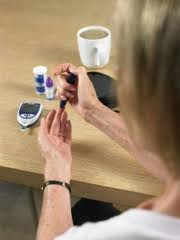 Diabetes is a chronic disease characterized by abnormal metabolism of sugar, fat and protein, all essential that materials used in the body structure and burning. People with diabetes are two to four times more likely than people who have diabetes to develop heart disease. In fact, 65 percent of diabetics die of heart attack or stroke.
Diet does not necessarily mean weight loss, but also the planning of meals. If you are diabetic, you have a diet specifically designed for you, based on your daily activities, your ideal body weight, other medical problems such as hypertension and high cholesterol value and other issues that may exist.
Usually, however, planning meals created to provide an exact number of calories at the appropriate times of day, so it can to keep your blood glucose in the most normalized as possible. Your diet will probably consist of foods rich in fiber in order to smooth the functioning of the intestines and reducing the absorption of fat from your body. It will be high levels of certain types of vitamins and low in protein.
The exercise is the secret weapon in the treatment of diabetes, especially aerobic exercise. Aerobic exercise is exercise that makes your heart to pump more blood and leads you to take deeper breaths - not necessarily the exercises that increase muscle mass.
The active aerobic exercise can help improve blood circulation, improve your cholesterol profile and lower risk of heart disease. Beyond this, however, there is another added advantage. The muscle cells do not require insulin to absorb glucose from the circulation. When active, simply absorb sugar and burn. Moreover, as tend to be active through the maintenance of aerobic exercise to improve the absorption and consumption of glucose.
Weight Reduction:
Losing weight is not easy. Remember that the first goal of treatment is to return the blood glucose concentrations at normal values. Weight reduction will help both now and in the future because reducing the mass of fatty tissue in your body will reduce the amount of insulin required to activate these cells to absorb glucose daily. However, you can not diet - lightning. Rapid weight loss can be dangerous. It sets your body in great stress and may cause irregular drops in your blood sugar. Let your doctor to establish goals to reduce weight and help you with a method to achieve them.
Personal Care:
Care of you is another important area for diabetic patients. Diabetes does not tend to stop only the proper functioning of nerves but also slows the healing process and reduces the resistance of skin infections. Get used to carefully inspect your hands and your feet daily.
Your personal care includes:
- Keep cleans the toilet and bath and extra care to use such spaces for public use.
- Giving up smoking
- Reduce the alcohol consumption
More on diabetes mellitus symptoms and diabetes supplements and diabetes remedies.
Saturday, October 15, 2011
Exercise for Diabetes Care
> People with diabetes can participate in all levels of exercise, even at high levels of competition. Avoid, however, the extreme and risky sports. The exercise has immediate and long-term beneficial effect on blood glucose and the metabolism of lipids and proteins.
The regular aerobic exercise reduces visceral fat and pounds, improves tissue sensitivity to insulin and helps to control blood sugar, pressure.
It is best to avoid more endurance of one hour without a break, even moderate. We prefer regular aerobic exercise of low to moderate intensity, which would be appropriate to continue in all ages and for all our lives!
Exercise for type 2 is an essential component of treatment, but need a good education, because the risk of hypoglycemia is a real and serious.
For type 1 is insulin-dependent, not only the real risk of hypoglycemia and hyperglycemia caused by dehydration, if not accompanied by diabetic may then be quite dangerous for our life situation.
It was very good education, both to prevent and to deal with such situations, not only gives freedom to savor the joy of sport and games, but it can save both our lives.
Exercise for people with type 1 diabetes care:
The exercise certainly helps to improve metabolic control, which decreases quickly and dramatically the risk of cardiovascular events, but not necessarily lead to improved glycemic control and regulation of glucose alone.
Insulin levels in our blood, and hence the risk of hypoglycemia, defined by the type of insulin dose point and the time it was last injection. Knowledge of insulin means that we use the time begins to act, the duration of action, but also the peak time of action. Hypoglycemia may occur during exercise and 12 to 24 hours.
Hypoglycemia occurring during exercise requires high amounts of carbohydrates. It seems that back, so it is good to take half a light carbohydrate meal a half hours later. Repeated low blood sugar lead to a vicious circle must stop exercising. If our blood sugar> 250mg need to think again and certainly not exercisable if> 300mg.
Exercise in type 2 Diabetes treatment...
* A good exercise program includes 5'-10 'warm, 20'-30 "gradually increasing exercise intensity, 10' minimum relaxation. During the warm and relaxing it is advisable to apply several dimensions.
* The exercise in people with type 2 diabetes saves lives!
* Both metabolic and glycemic control improved significantly with exercise. While growing and helps weight loss, but studies are estimated to prevent 1 to 3 to 4 strokes. However, studies estimate only 16% of type 2 diabetes have more than one hour of exercise per week.
* The risk of hypoglycemia is less, but use caution if insulin-secretory anti-diabetic tablets better measure our blood sugar before or during if the exercise will last for> 1 hour.
* Instead of high sugar prices will improve dramatically after exercise.
Exercise and attention in diabetes treatment...
* Great attention to extreme temperatures hot or cold, it is advisable to avoid exercise.
* Warning! Especially the shoes we use, especially if coexisting peripheral neuropathy.
* Attention to dehydration! A good general hydration program includes 2 glasses of water two hours before exercise, 1 to 2 glasses of water 30 minutes before and ½ cup water every 15 minutes about the exercise.
* Before starting the exercise and your blood sugar is <120mg% eat 20-60 grams. Simple carbohydrates, 1 cup orange juice or 1 medium piece of fruit or a slice of bread. You should count again sugar 20'-25 'then and not start exercising if not surpass the 110-120mg/dl.
* It is best to eat lightly for 2-3 hours before and after exercise.
* During vigorous exercise each about 30 minutes, eat 20-60g. simple carbohydrate.
Important think you have to do...
* I love my body, learning to care. Exercise is essential care for our body.
* Travel anywhere, any season means freedom. I know my body with the physiology and learn what to do to be good means to earn my own freedom...
* Cornerstone, not face any problem, knowledge of self and regular measurements of blood sugar, especially those using insulin.
* Respect your body and its limits, means avoiding excessive load on your body, avoid extreme sports, rest when feeling unwell or have a fever, frequent communication with our doctors.
* Moderate daily exercise, but people with picture prodigality reduces to 60% chances to develop diabetes over the next five years, and halved the risk of heart attack and stroke.
* Aerobic exercises are low to moderate intensity, lasting less than 1 hour, offer the greatest benefit for type 1 diabetes.
* The sport, sports, the sports, give not only physical benefits but also joy, satisfaction and wellbeing, contributing not only to good metabolic control but actually the high quality of our lives!
Monday, October 3, 2011
Physics Activity for Prevention of Diabetes Mellitus
>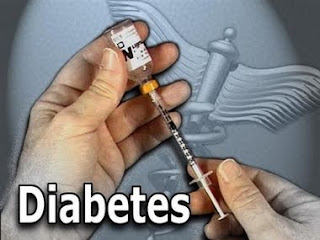 Diabetes mellitus is a condition of the human body when the body is not able to use glucose properly, leading to high levels in the blood. Common symptoms that occur in diabetic patients is increased thirst, increased diuresis, weight loss, skin infections and in some cases, dehydration and diabetic coma. There are two types of diabetes mellitus. The least prevalent type I or insulin, which usually occurs in young people and can be sudden and often life-threatening symptoms. In this type of diabetes requires lifelong dietary treatment and treatment with insulin. The most prevalent type II or non insulin dependent diabetes, occurs in people middle-aged, which tend to be overweight. Both types of diabetes have been associated with high risk of cardiovascular diseases, physical activity can play an important role in reducing this risk.
Physical Activity and Diabetes Mellitus Type I
Factors affecting the metabolic and hormonal response of a body type I diabetes in physical activity are:
1. Intensity and duration of exercise
2. The level of metabolic regulation before exercising
3. The type and dose of insulin taken before exercise
4. Time prior to the exercise of making insulin
5. The time of the previous exercise meal
The main regulator of the glycemic response is the availability of insulin in the blood.
Insulin levels in the blood of a diabetic type I, exercise is very important to normal levels. If insulin is high, then accelerated the depletion of glycogen reserves, suspended the production of glucose by the liver and suspended the use of fatty acids as a substrate for energy production. These are the effect of lowering blood glucose (hypoglycemia). If insulin is reduced, there is increased production of glucose by the liver and decreased glucose use by muscles. Thus, during intense physical activity can result hyperglycemia.
Nutritional Recommendations depending Intensity and Duration Exercise
The following recommendations concerning recruitment carbohydrate diabetics type 1 than intensity and exercise duration be held.
Long term complications one diabetic type I may include cardiovascular illnesses nephropathy and peripherally neuropathy. Risk complications these decreases configured natural activity scheduled diet configured dose insulin steady glucose blood without major frequent fluctuations.
Physics Activity and Diabetes Releases II
Physical activity plays an important role in the prevention of diabetes mellitus type II Even people suffering from diabetes mellitus type II may be exercised, thereby reducing the risk of other health complications associated with diabetes, especially cardiovascular diseases. The physical activities but should be done, it has been determined healthy cardiovascular and respiratory type II diabetics and after assent doctor. Persons who are under medication must be more carefully and inform about this, and may experience hypoglycemia during exercise. For this reason the medication should be adjusted depending on the physical activity of type II diabetic
As more people suffering from type II diabetes are overweight, it is necessary that these individuals be encouraged to lose weight and avoid if possible medication when blood glucose levels can be regulated through diet and physical activity.
Read more on remedies for diabetes and treatment of diabetes problem.